
You are seeking to elevate your fitness regimen beyond the conventional. You have recognized that generic routines and crowded open gyms may no longer serve your evolving physical aspirations. This article explores personal training gyms as a strategic investment in your health, offering a focused environment and tailored guidance designed to optimize your athletic potential.
Personal training gyms represent a distinct sector within the fitness industry, diverging significantly from high-volume commercial gyms. Their operational model prioritizes individualized attention and a curated client experience over broad accessibility. You are not merely a member in these establishments; you are a client with specific objectives that the facility is designed to help you achieve. Improve your well-being by exploring expert tips on Health and Fitness.
Defining Specialized Environments
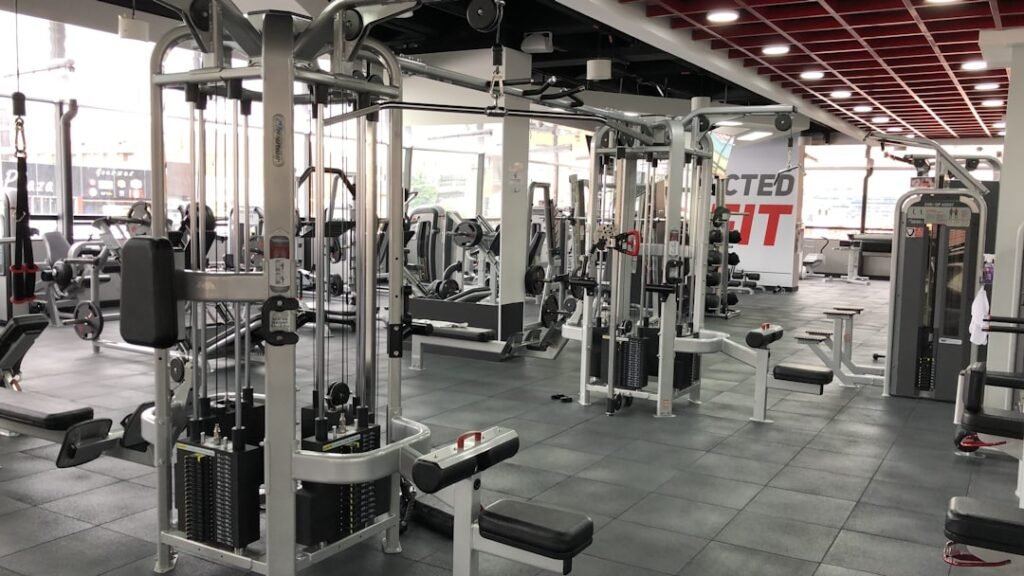
Specialized fitness environments are the hallmark of personal training gyms. Unlike the sprawling, multi-purpose spaces of chain gyms, these facilities are often more compact, intentionally designed to foster a sense of exclusivity and focus. Equipment selection is typically more deliberate, chosen for its efficacy in a one-on-one or small-group setting rather than for mass appeal. You will find fewer unnecessary machines and a greater emphasis on functional training tools, free weights, and performance-oriented apparatus. This focused equipment inventory allows trainers to implement a wider array of exercises tailored to your individual needs, rather than relying on a limited scope dictated by a general gym floor.
The Role of Certification and Expertise
The caliber of trainers in personal training gyms is a critical differentiator. These institutions typically employ trainers with advanced certifications from reputable organizations, such as the National Academy of Sports Medicine (NASM), the American Council on Exercise (ACE), or the National Strength and Conditioning Association (NSCA). This signifies a foundational understanding of exercise physiology, biomechanics, and program design. You can expect your trainer to possess knowledge beyond basic exercise instruction, encompassing injury prevention, nutritional guidance (within their scope of practice), and progressive overload principles. Their continuous professional development is often encouraged or mandated, ensuring they remain abreast of current research and best practices in the fitness industry. This expertise serves as the bedrock upon which your personalized program is built, transforming a simple workout into a scientifically grounded training protocol.
Deconstructing the Personalized Training Journey: Your Blueprint for Success
Your engagement with a personal training gym is not a series of isolated workouts; it is a structured journey designed to steer you towards your fitness apex. This journey begins with a comprehensive assessment and progresses through meticulously planned phases, each building upon the last.
The Initial Assessment: Your Fitness Compass
Before any physical activity commences, you will undergo a thorough initial assessment. This is not a cursory questionnaire; it is a multi-faceted evaluation designed to gather critical data points about your current physical state and future aspirations.
Health History and Lifestyle Analysis
Your trainer will delve into your medical history, including past injuries, chronic conditions, and medication use. They will also explore your lifestyle habits, such as sleep patterns, stress levels, dietary preferences, and occupational demands. This holistic view provides context for your physical capabilities and potential limitations. You are laying bare your physiological blueprint, allowing the trainer to understand the landscape they will navigate with you.
Fitness Testing and Movement Screenings
Beyond verbal accounts, objective data is crucial. You will participate in various fitness tests, which may include cardiovascular endurance assessments (e.g., walk tests, step tests), muscular strength and endurance evaluations (e.g., push-up tests, plank holds), and flexibility assessments (e.g., sit-and-reach). Crucially, functional movement screenings (e.g., the Functional Movement Screen – FMS) will identify any movement pattern dysfunctions or asymmetries. These screenings are akin to a mechanic diagnosing an engine; they reveal underlying issues that could impede progress or predispose you to injury. Correcting these foundational movement patterns is paramount before loading the body with significant resistance.
Goal Setting and Program Design
Based on the gathered data, you and your trainer will collaboratively establish specific, measurable, achievable, relevant, and time-bound (SMART) goals. These goals might range from improving athletic performance in a specific sport to reducing body fat, increasing muscle mass, or enhancing overall health markers. With these goals as your navigational stars, your trainer will then meticulously design a personalized training program. This program is your architectural blueprint, outlining the exercises, sets, repetitions, tempo, rest periods, and progression strategies tailored to your unique physiology and objectives. It is a living document, subject to modification as your body adapts and your goals evolve.
Tailored Workout Programs: The Engine of Progress
The essence of a personal training gym lies in the customizability of its workout programs. You are not forced into a generic mold; instead, the program is molded around you.
Progressive Overload Principles
Central to any effective training program is the principle of progressive overload. Your trainer will systematically increase the demands placed on your body over time, whether through increased weight, repetitions, sets, reduced rest time, or more complex exercise variations. This constant challenge is the catalyst for adaptation and improvement. Without it, your progress would stagnate, like a plant refusing to grow without sunlight. Your trainer acts as the architect of this controlled stress, ensuring that the overload is sufficient to stimulate growth without leading to overtraining or injury.
Exercise Variation and Periodization
To prevent plateaus and maintain motivation, your program will incorporate strategic exercise variation. This might involve swapping out certain movements, introducing new equipment, or changing the order of exercises. Furthermore, your training will likely be periodized, meaning it is broken down into distinct phases with differing foci. For instance, a strength phase might precede an hypertrophy phase (muscle growth), which in turn could be followed by a power or endurance phase. This cyclical approach optimizes adaptation and helps you peak at specific times, if applicable to your goals (e.g., for an athletic event).
Injury Prevention and Rehabilitation Integration
A critical, though often overlooked, aspect of personalized training is its focus on injury prevention. Your trainer will integrate exercises that strengthen stabilizing muscles, improve mobility, and correct muscular imbalances identified during the initial assessment. If you are recovering from an injury, your trainer can work in conjunction with your physical therapist to design a progressive rehabilitation program that safely brings you back to full function and beyond. They act as your bodily guardian, minimizing risks while maximizing gains.
The Ecosystem of Support: Beyond the Workout Session
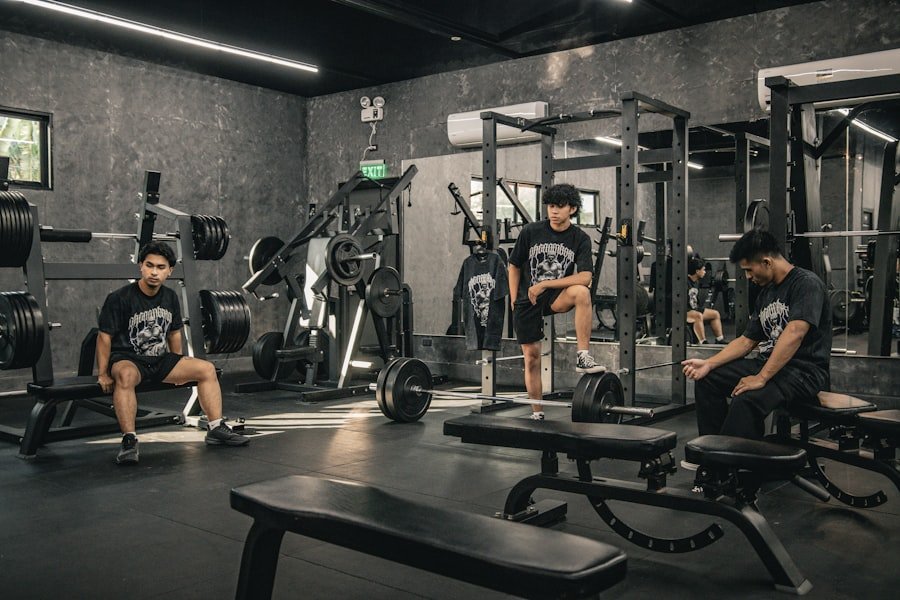
Your experience in a personal training gym transcends the physical act of training. It encompasses a holistic support system designed to foster long-term adherence and sustainable results.
Nutritional Guidance and Lifestyle Coaching: Fueling Your Machine
While personal trainers are not registered dietitians or medical doctors, competent professionals in personal training gyms often provide valuable nutritional guidance within their scope of practice. This guidance focuses on practical, evidence-based strategies for healthy eating, rather than restrictive diets.
Macro and Micronutrient Understanding
You will gain a better understanding of macronutrients (proteins, carbohydrates, fats) and micronutrients (vitamins, minerals) and how they fuel your body for optimal performance and recovery. This knowledge empowers you to make informed dietary choices that complement your training. Your trainer can help you determine appropriate caloric intake and macronutrient ratios based on your goals and activity level. Think of it as learning the optimal fuel type for your high-performance vehicle.
Sustainable Eating Habits
The emphasis is on fostering sustainable eating habits that integrate seamlessly into your lifestyle, rather than short-term, drastic changes. This might involve meal planning strategies, portion control education, and advice on healthy food preparation. The goal is to cultivate a healthy relationship with food that supports your fitness journey long after your training sessions conclude.
Sleep, Stress, and Recovery Protocols
Beyond nutrition, your trainer will often act as a lifestyle coach, emphasizing the critical roles of sleep, stress management, and active recovery in your overall progress. Adequate sleep is foundational for muscle repair and hormone regulation, while unchecked stress can elevate cortisol levels, hindering fat loss and muscle growth. You will learn strategies to optimize these elements, recognizing them as integral components of your fitness puzzle.
Accountability and Motivation: Your Human Anchor
One of the most potent benefits of personal training is the built-in accountability and motivation it provides. You are not alone on this journey; you have a dedicated partner committed to your success.
Regular Progress Tracking
Your trainer will meticulously track your progress, using objective metrics such as weight lifted, repetitions completed, body composition changes, and performance in fitness tests. This data provides tangible evidence of your improvements, serving as a powerful motivator. You are not relying on anecdotal feelings of progress; you are seeing quantifiable gains.
Goal Re-evaluation and Adaptability
As you progress, your initial goals may need to be re-evaluated and adjusted. Your trainer will facilitate this process, ensuring your program remains challenging and relevant. The journey is dynamic, and your trainer is adept at navigating the evolving terrain of your fitness. If you hit a plateau, they will adapt the program to help you break through.
Overcoming Challenges and Plateaus
You will inevitably encounter challenges, plateaus, and moments of waning motivation. Your trainer serves as a source of encouragement and expert problem-solver, helping you navigate these obstacles. They can identify plateaus, explain their physiological basis, and implement strategies to overcome them, ensuring your progress continues its upward trajectory. They are your steadfast beacon in the sometimes-turbulent seas of fitness.
The Tangible Benefits of Investment: Harvesting Your Efforts
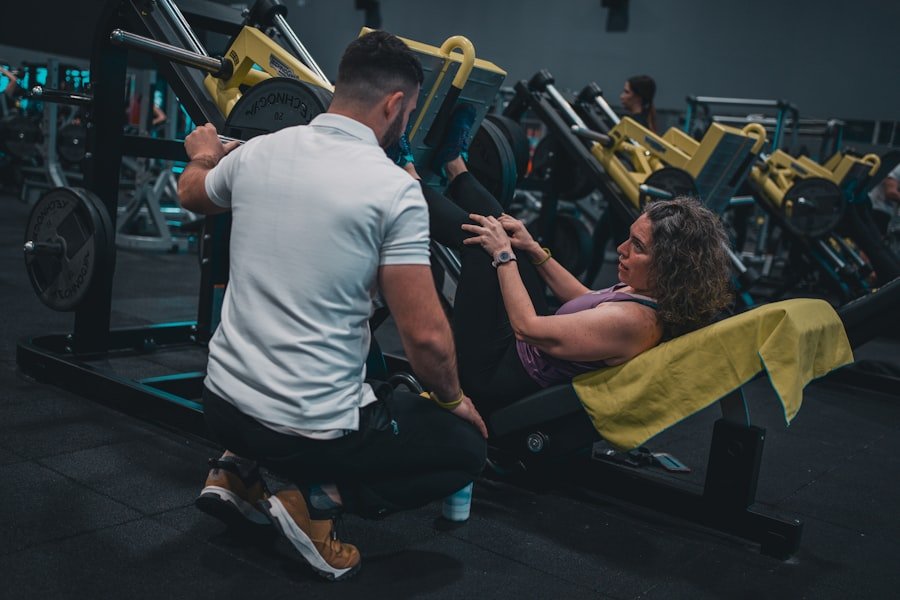
The decision to join a personal training gym represents a significant investment of both time and financial resources. However, the returns on this investment can be substantial and extend far beyond mere aesthetics.
Enhanced Performance and Physical Capabilities: Unlocking Your Potential
The tailored approach of personal training directly translates to measurable improvements in your physical performance.
Increased Strength and Endurance
Through scientifically designed progressive overload, you will witness significant increases in both muscular strength and cardiovascular endurance. Whether your goal is to lift heavier weights, run longer distances, or simply perform daily tasks with greater ease, your body will adapt and become more resilient.
Improved Body Composition and Metabolism
Effective personal training, coupled with appropriate nutritional guidance, leads to positive changes in body composition – an increase in lean muscle mass and a reduction in body fat. This shift not only improves your aesthetic appearance but also boosts your resting metabolic rate, meaning your body burns more calories even at rest.
Better Mobility and Reduced Risk of Injury
By addressing muscular imbalances, improving flexibility, and strengthening supportive musculature, personal training significantly enhances your overall mobility and reduces your susceptibility to injury. You are building a more robust and resilient physical structure, less prone to the wear and tear of daily life or athletic pursuits.
Enhanced Knowledge and Autonomy: Becoming Your Own Master
One of the most empowering outcomes of personal training is the acquisition of knowledge that empowers you to take greater ownership of your fitness journey.
Understanding Exercise Principles
You will gain a deeper understanding of exercise physiology, biomechanics, and the principles of effective training. This knowledge demystifies the training process and gives you the tools to analyze and adjust your own workouts should you choose to train independently in the future. You are learning the language of your body’s demands and responses.
Developing Self-Efficacy and Confidence
As you witness your progress and overcome challenges, your self-efficacy and confidence will grow. This confidence extends beyond the gym, impacting other areas of your life. You develop a belief in your ability to achieve challenging goals, a mental fortitude forged in the crucible of consistent effort.
Long-Term Lifestyle Integration
The skills and knowledge gained from a personal training gym foster a sustainable, active lifestyle. You are not just being “trained”; you are being educated and empowered to maintain your fitness journey independently, long after your formal training sessions conclude. You are constructing a durable health infrastructure for your future.
Considerations for Your Choice: Navigating the Landscape
| Metric | Average Value | Notes |
|---|---|---|
| Monthly Membership Fee | 120 | Varies by location and services offered |
| Average Session Length | 60 minutes | Standard personal training session duration |
| Trainer to Client Ratio | 1:1 or 1:2 | Depends on training style (individual or small group) |
| Client Retention Rate | 70% | Percentage of clients retained annually |
| Average Number of Sessions per Month | 8 | Typical frequency for committed clients |
| Trainer Certification Rate | 95% | Percentage of trainers with recognized certifications |
| Facility Size | 3,000 sq ft | Average gym size for personal training gyms |
| Client Satisfaction Rate | 85% | Based on surveys and feedback |
While the benefits are compelling, selecting the right personal training gym requires careful consideration of your individual needs and the specific offerings of various establishments.
Cost-Benefit Analysis: A Strategic Investment
Personal training is an investment, and like any investment, you must weigh the costs against the expected returns.
Financial Commitment
The financial commitment for personal training is typically higher than a standard gym membership due to the individualized attention and expertise provided. You should budget accordingly and consider the long-term value. View this not as an expense, but as an investment into your most valuable asset: your health.
Time Commitment and Schedule Flexibility
Consider your availability and the gym’s operating hours when choosing a facility. A good personal training gym should be able to accommodate your schedule and offer flexibility in booking sessions. Your commitment to consistency is paramount for success, and the gym should facilitate that.
Trainer-Client Rapport
The relationship with your trainer is paramount. You should feel comfortable, respected, and motivated by them. A strong rapport fosters trust and open communication, which are crucial for effective training. This is a partnership, and mutual respect is its cornerstone. Do not hesitate to seek a different trainer if the chemistry is not right.
Facility Culture and Atmosphere: Your Ideal Training Ground
The environment in which you train can significantly impact your motivation and adherence.
Private vs. Semi-Private Training Options
Many personal training gyms offer both private (one-on-one) and semi-private (small group) training options. Assess which environment best suits your preferences and budget. Semi-private training can offer a cost-effective solution with the added camaraderie of a small group, while private training provides undivided attention.
Equipment and Amenities
While personal training gyms prioritize functional equipment, ensure the facility offers the tools necessary for your specific goals. Consider amenities like changing rooms, showers, and any additional services that might enhance your experience. These details contribute to the overall quality of your training environment.
Reviews and Testimonials
Before committing, research online reviews and solicit testimonials from current or former clients. This provides valuable insights into the gym’s reputation, the effectiveness of its trainers, and the overall client experience. You are performing due diligence, verifying the promises with actual results.
By meticulously evaluating these factors, you can make an informed decision and embark on a transformative fitness journey in a personal training gym that aligns perfectly with your ambitions. You are not simply joining a gym; you are charting a course towards a stronger, healthier, and more capable version of yourself.