
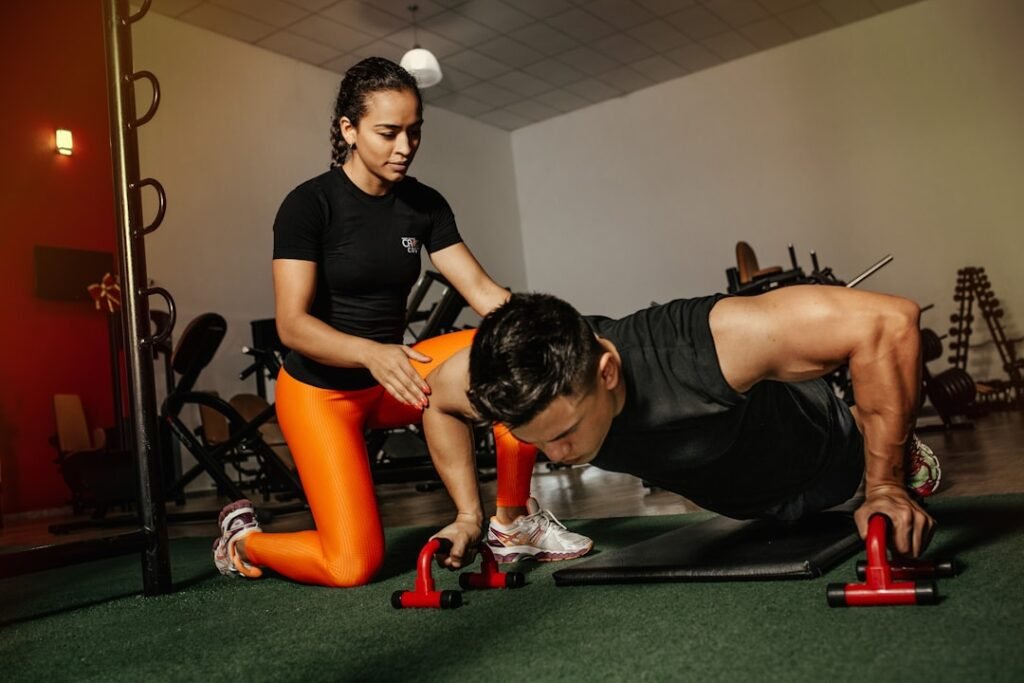
You stand at a crossroads in your fitness journey. Perhaps you’ve been meandering down a familiar path, encountering plateaus, or maybe you’re at the very beginning, a burgeoning seedling eager for the right cultivation. The desire to enhance your physical well-being, improve your health markers, or achieve specific performance goals has taken root. This internal compass points you towards a professional guide: a personal trainer. But how do you navigate the sprawling landscape of fitness professionals to pinpoint the one who will truly serve as your architect of progress? This guide will illuminate the process of finding the best personal trainer near you, equipping you with the knowledge to make an informed decision.
Before embarking on your search, you must first become intimately familiar with your own internal terrain. This introspective exploration is not merely a formality; it is the bedrock upon which your successful trainer-client relationship will be built. Without a clear understanding of your destination, even the most skilled navigator cannot chart an effective course. Improve your overall well-being by exploring expert tips on Health and Fitness.
Defining Your “Why”
- What motivates you? Are you seeking to lose weight, build muscle, improve athletic performance, recover from an injury, or simply enhance your overall health? Be specific. Instead of “I want to get fit,” consider “I want to reduce my body fat percentage by 10% within six months” or “I want to be able to run a 5k without stopping.”
- What are your non-negotiables? Do you require a trainer who understands chronic pain, has experience with specific dietary approaches, or offers flexible scheduling? Jot these down.
- What are your perceived barriers? Time constraints, financial limitations, previous negative experiences, or a lack of motivation are all valid considerations. A good trainer will help you address these.
Assessing Your Current Fitness Level
- Honest self-assessment: Are you a complete beginner, picking up a dumbbell for the first time? Do you have some experience but lack structure? Are you an experienced lifter seeking advanced programming? Your starting point dictates the type of guidance you’ll need.
- Medical considerations: Do you have any pre-existing medical conditions, injuries, or limitations? This is paramount. A responsible trainer will always require a health questionnaire and potentially a doctor’s clearance.
Budget and Availability
- Financial framework: Personal training is an investment. Establish a realistic budget per session or per month. This will narrow your search considerably. Remember, value isn’t always synonymous with the lowest price.
- Time commitment: How many sessions per week are you willing and able to commit to? Do you prefer mornings, evenings, or weekends? Your availability dictates the trainer’s flexibility.
Where to Begin Your Search
With a clear understanding of your needs, you can now cast your net. The digital age offers a multitude of avenues for identifying potential trainers, each with its own advantages and disadvantages. Approach this phase with a discerning eye, much like a prospector panning for gold.
Online Platforms and Directories
- Specialized fitness directories: Websites like the National Strength and Conditioning Association (NSCA) or the American Council on Exercise (ACE) often have “find a trainer” tools. These typically list certified professionals and allow filtering by location, specialization, and credentials.
- General search engines: A simple Google search for “personal trainer near me” or “fitness coach [your city]” will yield numerous results. Be prepared to sift through sponsored ads and organic listings.
- Social media platforms: Instagram, Facebook, and LinkedIn are increasingly used by trainers to showcase their expertise and attract clients. Look for trainers who share educational content, client testimonials, and a genuine passion for their work.
- Freelance platforms: Websites like Thumbtack or Bark can connect you with independent trainers who offer various services. While offering flexibility, due diligence regarding certifications is crucial here.
Local Establishments
- Gyms and health clubs: The most traditional route. Many gyms employ their own personal training staff. You can inquire at the front desk, observe trainers in action, and often schedule a complimentary consultation.
- Boutique studios: These often specialize in particular training modalities (e.g., strength training, Pilates, CrossFit) and may offer a more personalized, community-focused experience.
- Rehabilitation centers: If your needs are therapeutically skewed, a trainer affiliated with a physical therapy clinic or rehab center might be ideal, often possessing a deeper understanding of injury management.
- Community centers: These can offer more affordable options, though the scope of services and trainer experience may vary.
Referrals and Word-of-Mouth
- Personal recommendations: Ask friends, family, or colleagues who have achieved positive fitness results. A personal endorsement carries significant weight as it often comes from a place of direct experience and trust.
- Healthcare professionals: Your doctor, physical therapist, or chiropractor may be able to recommend trainers who specialize in your specific needs or have a good reputation for working with individuals with similar conditions.
Evaluating Credentials and Experience

Once you have a list of potential candidates, it’s time to move beyond their online personas and delve into their professional foundation. This is where the wheat is separated from the chaff; proper credentials are not merely decorative, they are the architectural blueprints of a trainer’s competence.
Certifications and Education
- Accredited organizations: Prioritize trainers certified by well-respected, NCCA-accredited organizations such as:
- ACSM (American College of Sports Medicine): Often considered the “gold standard” for scientific rigor.
- ACE (American Council on Exercise): Focuses on practical application and client-centered coaching.
- NASM (National Academy of Sports Medicine): Known for its OPT (Optimum Performance Training) model.
- NSCA (National Strength and Conditioning Association): High standards, particularly for strength and conditioning specialists (CSCS).
- Specialized certifications: Depending on your goals, look for additional certifications in areas like:
- Nutrition coaching: Precision Nutrition, ISSN.
- Corrective exercise: NASM CES.
- Pre/Postnatal fitness: GGS, NASM.
- Specific modalities: CrossFit Level 1, Pilates instructor.
- Academic background: A degree in exercise science, kinesiology, or a related field can indicate a deeper scientific understanding, though it’s not strictly necessary if solid certifications are present.
Experience and Specialization
- Years in the field: While not the sole determinant, a trainer with several years of experience has likely encountered a wider range of clients and challenges.
- Relevant experience: Does the trainer have a proven track record of working with clients who share similar goals or conditions as yours? If you’re a senior seeking to improve balance, a trainer specializing in youth athletic development might not be the best fit, despite being highly skilled.
- Client testimonials and success stories: Look for genuine accounts of client progress, not just vague praise. Case studies or before-and-after transformations (with client permission) can be insightful.
- Professional demeanor: Observe how they interact with clients, their punctuality, and their communication style. A professional trainer exudes confidence and respect.
Insurance and Business Practices
- Liability insurance: A non-negotiable. Ensure your potential trainer carries professional liability insurance. This protects both you and them in case of an unforeseen incident.
- Clear contracts and pricing: A reputable trainer will provide clear, written agreements outlining session frequency, cancellation policies, payment terms, and refunds. Transparency is a hallmark of professionalism.
The Interview Process: Asking the Right Questions

You wouldn’t hire an employee without an interview, and a personal trainer is no different. This consultation phase is your opportunity to gauge personality, philosophy, and practical compatibility. Consider it a professional “speed date” to discern if your values align.
Initial Consultation Questions
- What is your training philosophy? Do they subscribe to a high-intensity, low-volume approach, or something more varied? Do they prioritize functional movements, strength, or endurance?
- How do you assess new clients? A comprehensive assessment should go beyond just weight and body fat. It should include movement screens, postural analysis, and discussions about lifestyle, nutrition, and injury history.
- How do you tailor programs to individual needs? Avoid trainers who offer generic, one-size-fits-all programs. Your program should be a bespoke garment, not off-the-rack.
- What is your experience with clients who have [your specific goal/condition]? Be direct about your particular needs.
- How do you handle client plateaus or lack of motivation? Resilience and adaptability are key qualities in a trainer.
- What are your cancellation policies and payment structures? Clarify these upfront to avoid future misunderstandings.
- Do you provide nutritional guidance or referrals? Most personal trainers are not registered dietitians but can offer general healthy eating advice or refer you to a qualified professional.
- What sets you apart from other trainers? This open-ended question can reveal their passion, unique approach, or areas of specialization.
Observing the Trainer in Action
- During your consultation: Pay attention to their listening skills. Do they genuinely hear your concerns, or do they jump to conclusions? Do they maintain eye contact and offer clear explanations?
- Interaction with other clients (if applicable): While respecting privacy, you can often pick up on a trainer’s style just by observing their interactions on the gym floor. Do they engage, encourage, and provide focused attention?
- Communication clarity: Can they explain complex exercise concepts in an understandable way? Do they articulate instructions clearly and concisely?
Trust Your Gut Feeling
- Beyond the facts: While credentials and experience are crucial, the human element is equally vital. Do you feel a rapport with this person? Do they inspire confidence and make you feel comfortable? Your “gut feeling” is a powerful, albeit subjective, indicator of compatibility. This is the intangible spark that can transform a transactional relationship into a transformative partnership.
Making Your Decision and Starting Your Journey
| Metric | Description | Typical Range | Notes |
|---|---|---|---|
| Average Hourly Rate | Cost per hour for personal training sessions | 30 – 100 | Varies by location and trainer experience |
| Session Length | Duration of a typical training session | 30 – 60 minutes | Some trainers offer 45 or 90 minute sessions |
| Trainer Certification | Common certifications held by trainers | ACE, NASM, ACSM, NSCA | Indicates professional qualification |
| Client-to-Trainer Ratio | Number of clients per trainer in a gym | 5 – 15 | Lower ratio means more personalized attention |
| Average Distance | Distance clients travel to find a personal trainer | 1 – 5 miles | Depends on urban or rural location |
| Session Frequency | Typical number of sessions per week | 1 – 3 | Depends on client goals and availability |
| Client Retention Rate | Percentage of clients continuing after initial sessions | 60% – 80% | Higher rates indicate client satisfaction |
You’ve gathered your information, conducted your interviews, and now stand on the precipice of commitment. The final step is to select your guide and embark on your guided expedition towards a stronger, healthier you.
Reviewing Your Options
- Pros and cons list: Create a list for each potential trainer, weighing their strengths against any concerns.
- Revisit your original goals: Does the trainer’s philosophy and expertise align perfectly with what you set out to achieve?
- Consider logistics: Does their location, schedule, and pricing fit seamlessly into your life? A perfect trainer whose schedule never aligns with yours is, practically speaking, not the best fit.
The Trial Period
- Trial sessions: Many trainers offer introductory packages or single trial sessions. This is an invaluable opportunity to experience their coaching style firsthand before committing to a longer-term agreement.
- Evaluate during the trial: During these sessions, assess:
- Effectiveness of communication: Are their cues clear? Do they provide constructive feedback?
- Safety and attention to form: Do they correct your form meticulously to prevent injury?
- Motivation and encouragement: Do they inspire you without being overly aggressive or dismissive?
- Adaptability: Can they adjust exercises on the fly based on your performance or discomfort?
Committing and Communicating
- Formal agreement: Once you choose, ensure all terms are agreed upon in writing. This protects both parties.
- Open communication: The trainer-client relationship is a dynamic one. Be honest about your progress, challenges, and any changes in your health or lifestyle. Your trainer is an active participant in your journey, not merely a dispenser of exercises. Think of them as a co-pilot, where effective communication ensures a smooth flight.
- Provide feedback: If something isn’t working for you, communicate it. A good trainer will welcome feedback and adjust their approach accordingly.
Finding the best personal trainer near you is not a passive act of discovery; it is an active process of investigation, evaluation, and discernment. By investing time and effort in this search, you lay the groundwork for a successful partnership that can unlock your full potential and propel you towards your fitness aspirations. This is not merely about finding someone to tell you what to do, but rather discovering a mentor who will empower you, educate you, and walk alongside you as you forge a stronger, more resilient version of yourself.